
Insight
Make the Next Step Clear for Every Patient
Help patients navigate handoffs with a clear explanation of the next action, the responsible office and where to ask for help.
Published November 1, 2026
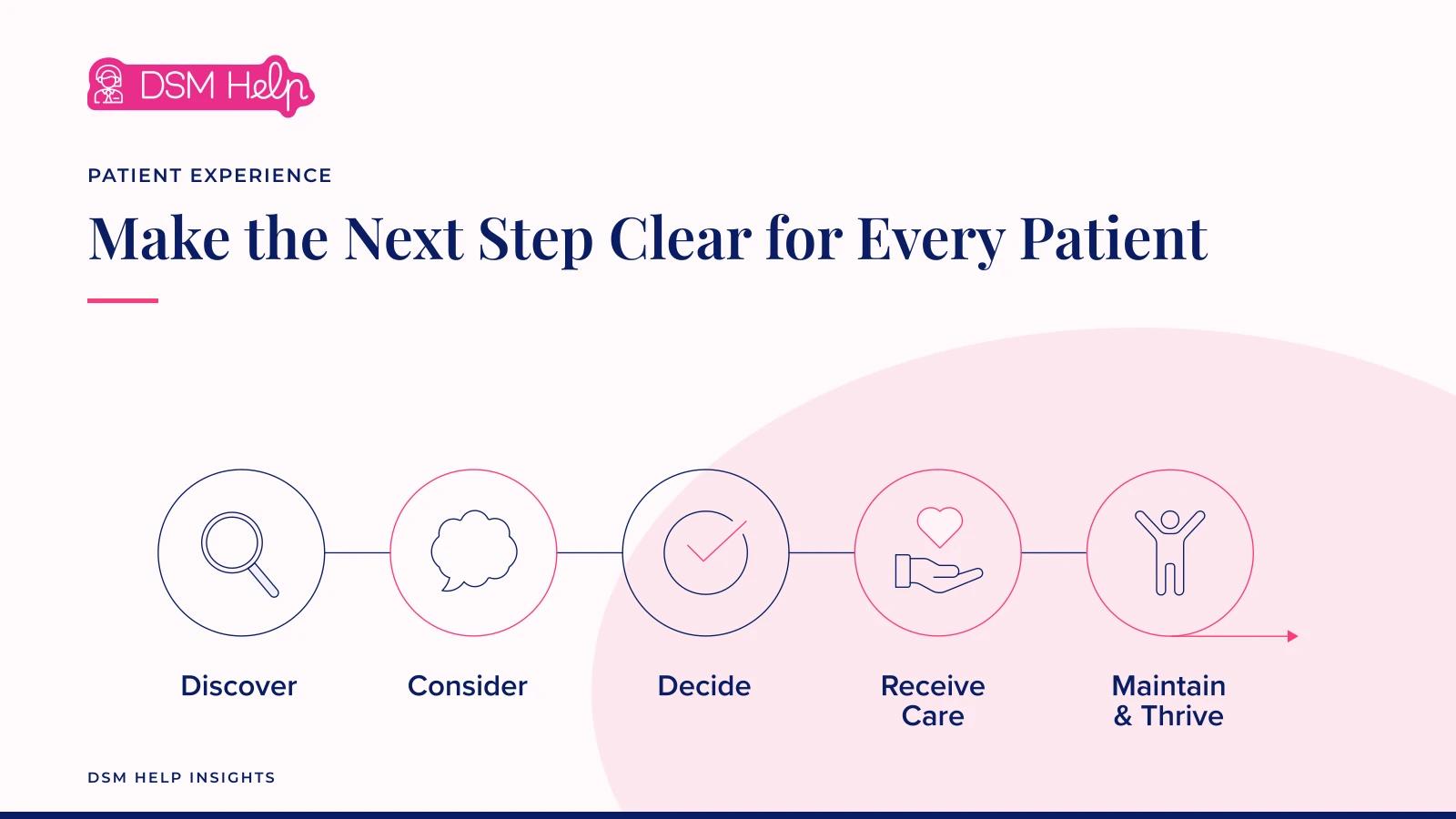
A patient leaves an appointment with information, paperwork and several things to remember. The team may feel the next step was explained. The patient may still be unsure whether to call another office, wait for a call or arrange something independently.
Patient experience includes these moments between appointments. A useful handoff makes the next action understandable and gives the patient a way to resolve uncertainty.
Explain one next action clearly
Before ending the conversation, state what happens next in plain language. Identify which office is responsible and whether the patient needs to do anything. If the process involves a clinical decision, make clear which clinician will address it.
Avoid replacing an explanation with a stack of materials. Written instructions should support the conversation and match the actual process. When there are several steps, distinguish the immediate action from later possibilities so the patient does not have to interpret the entire pathway at once.
Check how the explanation landed
Invite the patient to describe what they understand will happen next. Frame the question as a check on the explanation: I want to make sure I explained that clearly. What are you expecting to happen after today?
Listen for uncertainty about the responsible office, timing or required action. Clarify the point without making the patient feel tested. Offer information in an accessible format suited to the patient’s communication needs, and use the practice’s established language assistance process when needed.
Give uncertainty a place to go
A patient should know whom to contact if the expected step does not occur or the instructions become unclear. Use a contact route the practice actively monitors. Explain what that route is for, while directing clinical concerns through the practice’s appropriate clinical process.
Within the team, record the handoff and any unresolved barrier. If another office is expected to act, identify who will check progress when follow-up is needed. Do not assume the patient will coordinate communication between teams.
Review the journey from the patient side
Trace a common pathway and look specifically at the gaps between visits. Where might a patient wait without knowing why? Where do two offices give different instructions? Which question reaches the front desk repeatedly?
Choose one transition to improve. A clearer instruction, a dependable contact point or a better explanation of responsibility can make that part of the journey easier to navigate. The goal is for the patient to leave knowing the next action and where to turn if it becomes unclear.
Related content
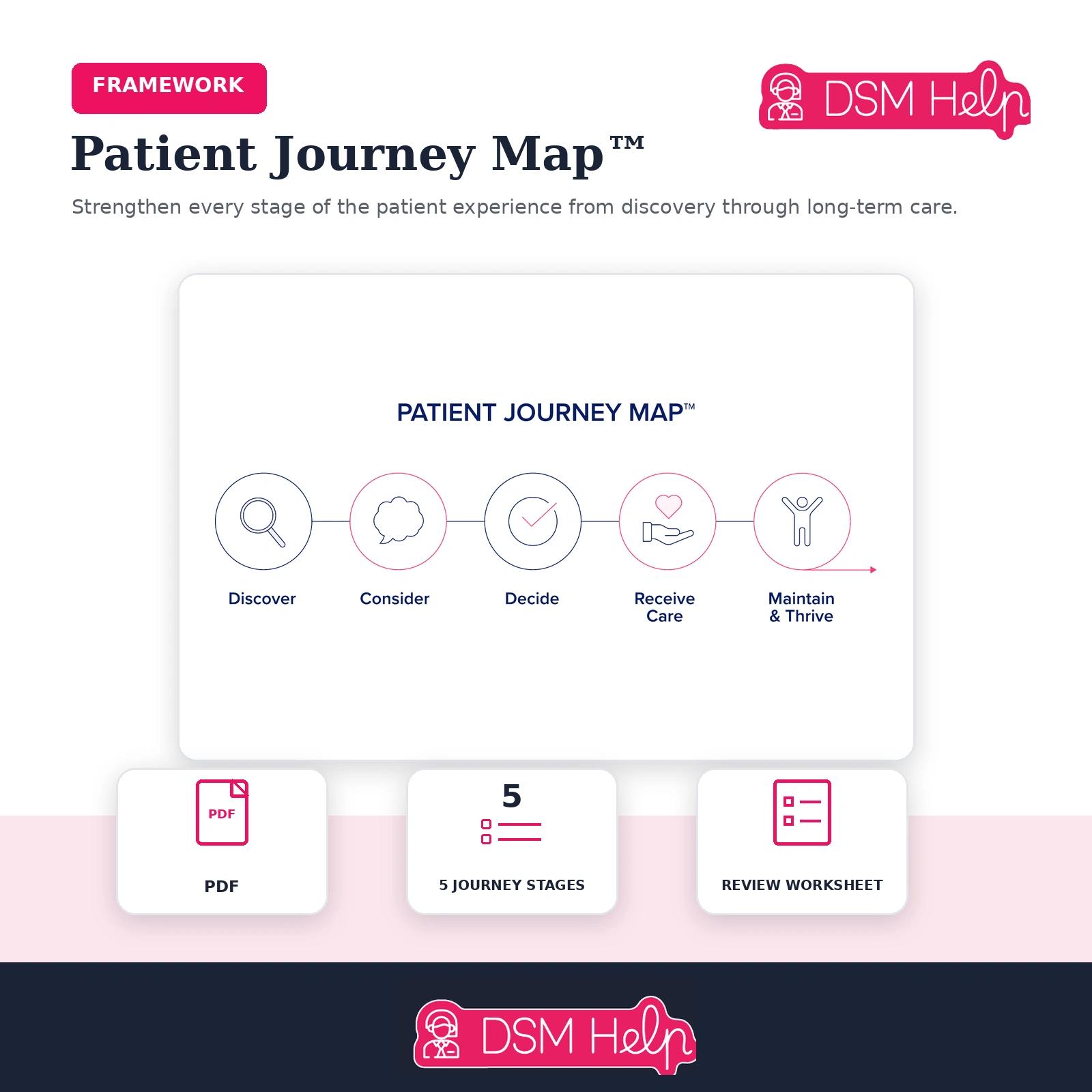
Patient Journey Map™
Follow the patient experience across discovery, consideration, decision, care, and long-term support.
Categories: Patient and Community Impact
Audiences: DSM Practice Leaders, Sleep Coordinators, DSM Office Teams, Healthcare Partners
Start Here
Ready to take the next step?
Every meaningful partnership begins with a conversation.